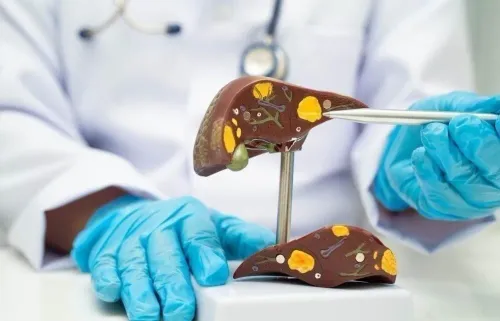

Liver health often remains unnoticed until the body begins showing visible signs of imbalance. Fatigue, poor digestion, bloating, nausea, loss of appetite, heaviness in the abdomen, or unexplained weakness are symptoms many people ignore because they develop gradually. Yet the liver quietly performs several critical functions every day, including digestion support, toxin processing, metabolism regulation, and nutrient storage.
A liver disease specialist generally evaluates whether symptoms are connected to fatty liver disease, hepatitis, alcoholic liver problems, liver cirrhosis treatment needs, or broader digestive system liver conditions. In Mira Bhayandar, increasing sedentary lifestyles, processed food intake, obesity, alcohol consumption, diabetes, and stress-related metabolic changes have contributed to a noticeable rise in liver-related disorders.
Fatty liver disease specialist consultations are becoming increasingly common among adults who may not experience obvious symptoms initially. Conditions such as NAFLD treatment doctor requirements or NASH liver specialist evaluations often begin after routine blood tests or abdominal scans reveal liver inflammation unexpectedly. In many patients, digestive discomfort and liver imbalance appear together.
A hepatologist or GI and liver specialist may recommend further testing depending on symptoms and liver function patterns. Conditions like hepatitis B specialist care, hepatitis C treatment doctor guidance, autoimmune hepatitis doctor support, jaundice treatment specialist evaluation, or portal hypertension treatment may require long-term monitoring rather than temporary medication alone.
There are also cases where stomach and liver symptoms overlap significantly. Acid reflux, bloating, indigestion, appetite loss, and gastrointestinal problems may coexist with liver disease without patients realizing the connection immediately.