

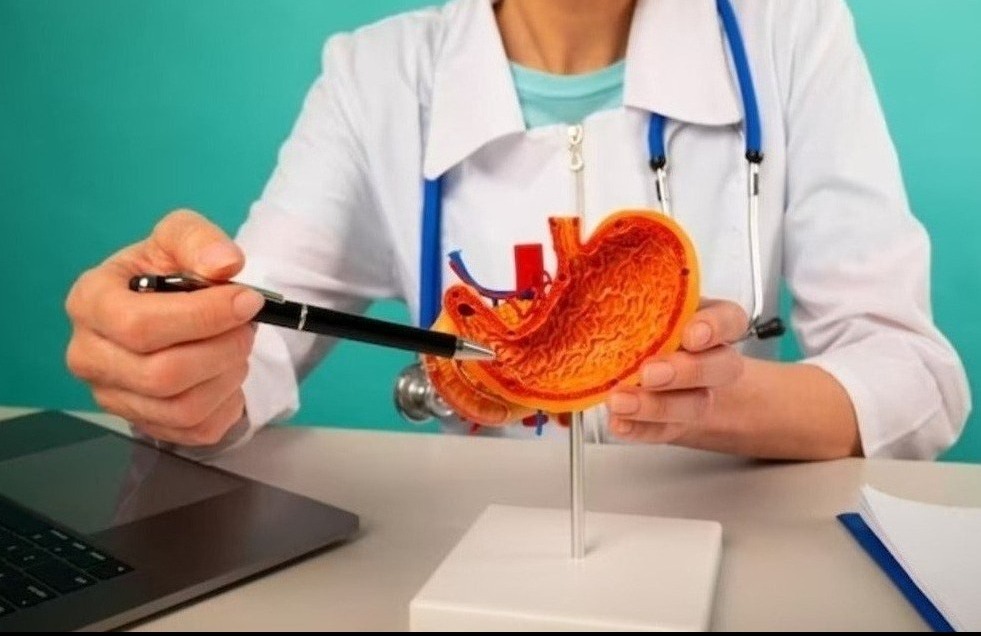
A burning feeling behind the chest after eating is commonly described as acidity or heartburn. Occasional heartburn can occur after a large, spicy, or late-night meal. When reflux happens repeatedly, affects sleep, or requires frequent medication for relief, it may indicate gastroesophageal reflux disease.
Consulting an acid reflux specialist in Thane can help determine whether recurring symptoms are caused by GERD or another upper gastrointestinal condition.
What Happens During Acid Reflux?
The oesophagus carries food from the mouth to the stomach. At its lower end is a muscular valve that normally helps prevent stomach contents from moving backwards.
When stomach contents repeatedly flow into the oesophagus, acid can irritate its lining. This is commonly called acid reflux.
GERD refers to persistent or troublesome reflux rather than an isolated episode after overeating.
Common Symptoms of GERD
Heartburn is well known, but reflux disease can produce other symptoms. These may include:
- Sour or bitter fluid reaching the throat
- Frequent belching
- Burning behind the breastbone
- Upper abdominal discomfort
- Symptoms after lying down
- Night-time reflux
- Difficulty or discomfort while swallowing
- Persistent throat irritation in some patients
Symptoms vary, so repeated upper digestive discomfort should not automatically be assumed to be GERD.
What Can Make Reflux Worse?
Meal size and timing can influence reflux. Large meals, lying down soon after eating, and certain individual food triggers may worsen symptoms.
Excess body weight, smoking, alcohol consumption, some medications, and certain medical conditions can also contribute.
Rather than following a highly restrictive diet based on general advice, it can be useful to observe which foods consistently trigger symptoms for you.
Keeping a simple food and symptom record may reveal patterns.
When Is Medical Evaluation Important?
Occasional mild reflux may improve with lifestyle adjustments. Specialist assessment becomes more important when symptoms occur frequently, continue despite basic measures, disturb sleep, or are associated with swallowing difficulty, vomiting, gastrointestinal bleeding, anaemia, or unexplained weight loss.
Evaluation may include a detailed clinical history and, when indicated, upper GI endoscopy or other investigations.
Upper endoscopy enables direct examination of the oesophagus, stomach, and first part of the small intestine. It can help identify inflammation, ulcers, narrowing, and other abnormalities when clinically appropriate.
Is Long-Term Self-Medication a Good Strategy?
Acid-suppressing medicines can be useful when taken appropriately, but recurring symptoms deserve proper evaluation rather than indefinite self-treatment.
The important question is not simply which medicine reduces acidity. It is why the reflux keeps returning and whether another condition could be contributing.
People in Thane and nearby Mumbai areas may particularly benefit from evaluation when demanding work schedules, irregular meals, late dinners, and frequent outside food make digestive symptoms difficult to manage consistently.
Dr Ravindra Surude evaluates patients with reflux and other gastrointestinal problems, with investigations considered according to the individual presentation.
GERD management can involve dietary changes, meal timing, lifestyle measures, medication, and further evaluation where necessary. The appropriate approach depends on symptom frequency, severity, associated warning signs, and the findings of the clinical assessment.