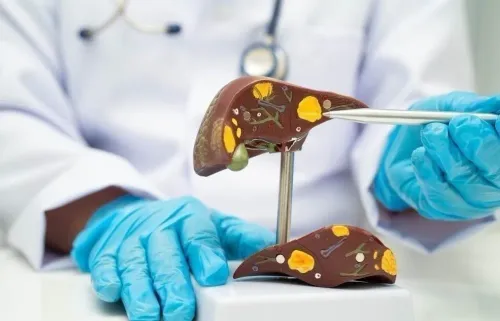

Digestive discomfort is common, but symptoms that keep returning or interfere with daily life deserve closer attention. A gastroenterologist is a doctor who evaluates conditions affecting the digestive tract, including the oesophagus, stomach, small intestine, colon, liver, gallbladder and pancreas.
For people in Mira Road and surrounding areas of Maharashtra, knowing when to consult a digestive specialist can help avoid prolonged self-medication and ensure that persistent symptoms are properly investigated.
What Does a Gastroenterologist Treat?
Gastroenterology covers a broad range of digestive conditions. Some problems are temporary, while others require ongoing medical care.
Common reasons for consultation include:
Persistent acidity or heartburn
Recurrent abdominal pain
Difficulty swallowing
Frequent nausea or vomiting
Constipation lasting several weeks
Persistent or recurring diarrhoea
Unexplained bloating
Blood in the stool
Black or unusually dark stools
Unexplained weight loss
Changes in bowel habits
Jaundice
Abnormal liver function tests
A gastroenterologist assesses the pattern of symptoms rather than treating every digestive complaint in the same way.
Why Persistent Symptoms Need Evaluation
Occasional indigestion after a heavy meal may settle without treatment. Frequent digestive symptoms are different.
Repeated heartburn, for example, may be associated with gastroesophageal reflux disease. Long-standing diarrhoea can have several causes, ranging from infections and food intolerance to inflammatory bowel conditions. Similarly, recurring abdominal pain may originate from the stomach, intestine, gallbladder, pancreas or another abdominal organ.
The duration, location and severity of symptoms all help guide evaluation.
What Happens During a Gastroenterology Consultation?
A consultation generally begins with a detailed medical history. The doctor may ask about when symptoms started, foods that worsen them, medications being taken, bowel habits, alcohol consumption, previous illnesses and family history.
Depending on the symptoms, further evaluation may involve:
Blood investigations
Stool tests
Ultrasound or other imaging
Upper GI endoscopy
Colonoscopy
Liver-related investigations
Biopsy when clinically necessary
Not every patient requires an endoscopic procedure. Testing is selected according to symptoms and clinical findings.
Digestive Symptoms That Should Not Be Ignored
Certain warning signs deserve timely medical assessment. These include vomiting blood, blood in stools, persistent vomiting, progressive difficulty swallowing, unexplained anaemia, significant unintended weight loss and severe or worsening abdominal pain.
People with a family history of gastrointestinal cancers or inflammatory bowel disease should also discuss their individual risk with their doctor.
Digestive Health Is More Than Stomach Problems
Many people think gastroenterology deals only with acidity or stomach pain. In reality, the speciality also covers intestinal disorders, inflammatory bowel disease, liver conditions, pancreatic disease, gallbladder problems and digestive tract screening.
A person experiencing jaundice, for instance, may require liver evaluation rather than treatment focused only on the stomach. Someone with chronic diarrhoea may need investigation of the intestine rather than repeated symptomatic medication.
For patients seeking a gastroenterologist in Mira Road, Dr Ravindra Surude provides evaluation for gastrointestinal and related digestive health concerns. Understanding the underlying cause of persistent symptoms is the first step toward choosing appropriate treatment and long-term digestive care.