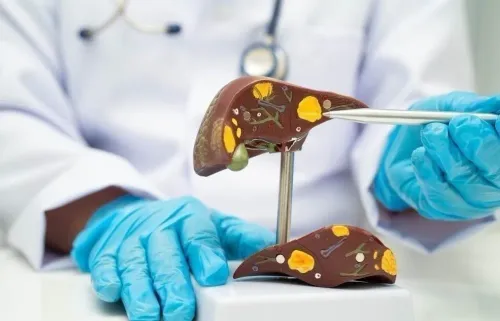
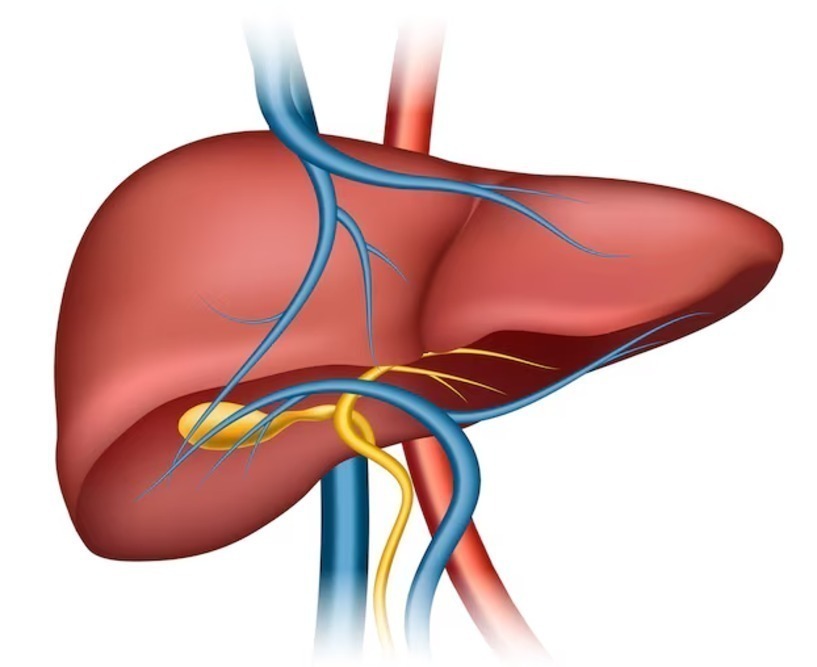
Fatty liver is often discovered unexpectedly during an ultrasound or routine health check. A person may feel completely well even when excess fat has accumulated in the liver. This is one reason abnormal liver findings should not be dismissed simply because there are no obvious symptoms.
A fatty liver disease specialist evaluates both the liver and the metabolic factors that may be contributing to the condition.
What Is Fatty Liver Disease?
Fatty liver occurs when excess fat accumulates within liver cells. Metabolic dysfunction-associated steatotic liver disease, or MASLD, is the newer terminology commonly used for fatty liver associated with metabolic risk factors. Many people may still encounter older terms such as NAFLD in reports and online information.
Risk factors can include:
- Excess body weight
- Type 2 diabetes
- Insulin resistance
- High triglycerides
- Abnormal cholesterol levels
- Metabolic syndrome
Alcohol consumption can also contribute to fatty liver and other forms of liver damage, so an accurate history is important.
Does Fatty Liver Always Cause Symptoms?
No. Fatty liver can remain silent for years.
Some patients report tiredness or discomfort in the upper right side of the abdomen, but these symptoms are not specific enough to diagnose fatty liver.
Diagnosis may involve liver function tests, ultrasound and other investigations. In selected cases, additional tests are used to assess whether significant fibrosis or scarring is present.
Why Does Liver Fibrosis Matter?
The important question is not simply whether fat is present in the liver. Doctors also need to understand whether inflammation or fibrosis has developed.
Progressive liver damage can eventually lead to advanced fibrosis or cirrhosis in some patients. Risk is not identical for everyone, which is why assessment of metabolic factors and liver fibrosis can be important.
Can Fatty Liver Improve?
Management frequently focuses on the underlying metabolic causes.
Depending on an individual's condition, this may include:
- Gradual and sustainable weight management
- Regular physical activity
- Diabetes control
- Management of cholesterol and triglycerides
- Reduction or avoidance of alcohol when advised
- Review of medications and associated conditions
- Follow-up liver investigations
Crash diets and unverified "liver detox" products are not substitutes for appropriate medical assessment.
What About NASH?
Some people with fatty liver develop liver inflammation and injury. The terminology around fatty liver disease has evolved, and what was widely known as NASH is now often referred to as metabolic dysfunction-associated steatohepatitis, or MASH.
The distinction matters because patients with inflammatory disease and fibrosis may require closer monitoring.
When Should You Consult a Liver Specialist?
Consider medical evaluation if an ultrasound reports fatty liver, liver enzymes remain abnormal, or you have diabetes, obesity or other metabolic risk factors alongside liver abnormalities.
Patients in Mira Road can also seek gastroenterology and liver evaluation when reports repeatedly show changes that have never been properly assessed.
Dr Ravindra Surude provides gastrointestinal and liver-related evaluation in Mira Road. Rather than treating an ultrasound finding in isolation, appropriate fatty liver care considers metabolic health, liver injury and the possibility of fibrosis together.