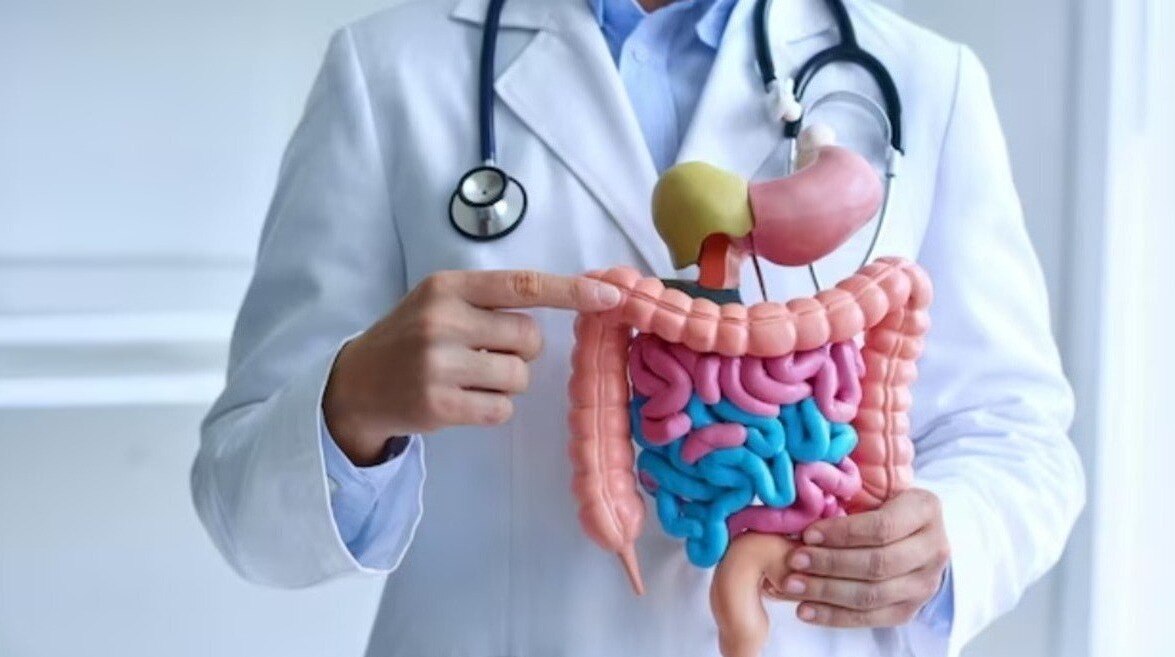
Persistent heartburn, trouble swallowing, vomiting, black stools, anaemia, or upper-abdominal pain can require a different test from routine indigestion. You will be able to match symptoms to gastroscopy, compare sedation and treatment options, prepare safely, and judge whether a gastroenterologist and endoscopy unit fit your needs.
Key takeaways
- Persistent, recurring, or alarm symptoms warrant medical assessment for gastroscopy.
- Gastroscopy examines the upper digestive tract; colonoscopy examines the large intestine.
- Biopsy adds tissue diagnosis, while therapeutic gastroscopy treats selected problems.
- Confirm fasting, medicines, sedation, emergency support, and recovery arrangements before booking.
When do digestive symptoms justify a gastroscopy?
Short-lived, uncomplicated indigestion does not automatically require an immediate scope. Gastroscopy for digestive problems becomes more useful when symptoms persist, recur, or suggest damage, narrowing, bleeding, or another structural problem in the oesophagus, stomach, or duodenum.
Arrange medical assessment promptly if you have:
- Persistent dyspepsia, heartburn, or upper-abdominal pain
- Recurrent vomiting
- Progressive difficulty swallowing or painful swallowing
- Unexplained weight loss
- Iron-deficiency anaemia
- Vomiting blood
- Black, tarry stools
Alarm symptoms should not be handled by self-booking a routine appointment for the best gastroenterologist gastroscopy choices for digestive problems. Vomiting blood, black tarry stools, faintness, rapid weakness, breathlessness, or other signs of major blood loss require urgent care because bleeding can become dangerous quickly.
A gastroscopy lets a clinician inspect the lining directly and take biopsies when needed. It can identify oesophagitis, Barrett’s oesophagus, gastritis, ulcers, strictures, some bleeding sources, and suspected oesophageal or stomach cancer. Tissue sampling can confirm conditions that look subtle or normal from the surface, so a normal-looking examination does not always end the investigation.
The decision depends on symptom duration, age, examination findings, blood results, medication history, and whether an alarm symptom is present.
How does gastroscopy compare with other tests, including colonoscopy?
Choose gastroscopy when symptoms point to the oesophagus, stomach, or duodenum; choose colonoscopy when the suspected source lies in the colon. The right gastroscopy for digestive problems depends on symptom location, bleeding pattern, blood results, age, and the disease being investigated.
| Option | What it shows | Main limitation or use |
|---|---|---|
| Gastroscopy (OGD) | Directly inspects the upper-GI lining and permits biopsies | Best for upper-GI symptoms, ulcers, inflammation, strictures, and some bleeding |
| Barium swallow | Outlines swallowing and narrowing | Cannot take tissue samples |
| Abdominal ultrasound | Assesses the liver, gallbladder, and bile ducts | Does not directly inspect the gut lining |
| CT or MRI | Shows surrounding structures and complications | Does not provide routine mucosal biopsies |
| Blood tests | Reveal anaemia, inflammation, liver abnormalities, and other clues | Cannot identify the exact lining lesion |
| H. pylori test | Detects one infection | Does not assess structural disease |
| Capsule endoscopy | Examines small-bowel areas standard OGD cannot reach | Cannot take biopsies or treat bleeding |
| Colonoscopy | Inspects the rectum and colon | Suits lower-GI bleeding, altered bowel habits, or suspected colonic disease |
Iron-deficiency anaemia, gastrointestinal bleeding, or nonspecific abdominal pain can require gastroscopy, colonoscopy, or both. Doctors choose between these upper gi scopy options after considering whether the bleeding is black or red, where pain occurs, bowel changes, haemoglobin results, and cancer risk.
Capsule endoscopy is mainly useful when the small bowel remains the suspected source after standard examinations. It is not a replacement for gastroscopy when the oesophagus, stomach, or duodenum needs direct inspection, biopsy, or treatment.
Which gastroscopy option is appropriate: inspection, biopsy, or treatment?
An OGD can stop at inspection, include biopsies, or deliver treatment during the same examination. The right choice depends on the suspected problem and the procedure’s likely complexity.
| Option | What it means | Main trade-off |
|---|---|---|
| Throat spray only | Oral gastroscope with local anaesthetic | Faster recovery, but more awareness of gagging and discomfort |
| Intravenous conscious sedation | Sedative medicine through a vein while you remain responsive | Greater comfort, but you need monitoring, an escort and temporary activity restrictions |
| Deep sedation or general anaesthesia | Selected cases with much deeper unconsciousness | Useful for complex procedures or specific clinical needs, with greater anaesthetic support and recovery requirements |
Transnasal ultrathin endoscopy can suit a diagnostic examination when the equipment, operator skill and clinical question permit. A standard oral gastroscope is preferred when biopsy, dilation, polyp removal, bleeding control or another therapy may be needed because it provides better access and therapeutic capability.
Biopsies can detect Helicobacter pylori, coeliac disease, microscopic inflammation, precancerous change and cancer. Normal-looking tissue does not always remove the need for sampling. A biopsy is usually painless and does not mean the doctor saw cancer.
Your OGD scopy doctor should explain risks including sore throat, bloating, aspiration, bleeding, infection, medication reaction and perforation. Therapeutic procedures carry greater risk than simple inspection, particularly when dilation, polyp removal or bleeding treatment is planned.
How do you choose the right gastroenterologist and endoscopy unit?
Choose the unit whose capabilities match your problem, not the one that ranks as “best” or sits closest to home. A search for best gastroenterologist gastroscopy choices for digestive problems should lead to questions, not a title.
- Verify the doctor’s specialist registration with the National Medical Commission or Maharashtra Medical Council.
- Ask how often the doctor performs diagnostic and therapeutic OGD.
- Confirm that an accredited pathology laboratory processes biopsies.
- Ask whether sampling follows the suspected disease, such as H. pylori, coeliac disease, or cancer.
- Check whether throat spray, intravenous sedation, or deeper anaesthesia is available.
- Ask when you will receive the procedure report and biopsy result, and who will explain them.
- Confirm emergency support if bleeding, narrowing, or a suspicious lesion is found.
| Capability | Ask | Why it matters |
|---|---|---|
| Diagnostic OGD | How often is inspection performed? | Experience must fit the clinical question. |
| Therapeutic OGD | Can you control bleeding or dilate a stricture? | A second referral delays treatment. |
| Pathology | Where are samples processed? | Tissue diagnosis requires histology. |
| Follow-up | Who acts on abnormal results? | A report without a plan is incomplete. |
For someone comparing a gastroscopy specialist Mira Road or an OGD scopy doctor, Dr Ravindra Surude 08042756059, ask whether the planned service matches your likely need, where pathology is processed, who explains results, and what follow-up occurs for cancer, ulcer disease, or stricture.
Endoscopic appearance alone is not a final cancer diagnosis: histology, and when needed CT staging or EUS, guide the next step.
Related service
Gastrointestinal endoscopy procedures Gastroscopy ( Upper GI scopy or OGD scopy ) Gastroscopy (Upper GI Scopy / OGD Scopy) by Dr. Ravindra Surude Gastroscopy, also known as Upper GI Endoscopy or OGD Scopy... View service → |
How should you prepare, and what is recovery like?
Follow the endoscopy unit’s exact fasting instructions before gastroscopy for digestive problems. Permitted clear liquids and medicine timing depend on the sedation plan and your medical conditions; food or liquid in the stomach can obscure the view and increase aspiration risk.
If you take warfarin, apixaban, rivaroxaban, clopidogrel, aspirin, insulin, or other diabetes medicines, obtain a procedure-specific plan from the prescribing clinician and endoscopy team. Never stop or alter a dose independently.
| Option | What happens | Recovery |
|---|---|---|
| Throat spray only | Numbing spray; you remain awake | Quicker return to normal activities after observation |
| Intravenous conscious sedation | Medicine reduces discomfort and awareness | Escort required; follow the unit’s restrictions |
| Deep sedation or general anaesthesia | Used when clinically justified and available | Longer observation and stricter temporary precautions |
Before starting, the clinician explains the procedure, alternatives, risks, and possible biopsy or treatment, then obtains your consent. Staff monitor your oxygen level, pulse, and blood pressure during recovery.
After sedation, do not drive, drink alcohol, operate machinery, make important decisions, or do work requiring alertness for the period specified by the unit, often the rest of the day.
Seek urgent medical help for severe or worsening chest or abdominal pain, fever, breathlessness, persistent vomiting, vomiting blood, black stools, or fainting. These warnings apply whether you searched for a gastroscopy specialist Mira Road or booked elsewhere.
Frequently asked questions
When do digestive symptoms justify a gastroscopy?
Persistent or recurring symptoms, difficulty swallowing, unexplained vomiting, bleeding, anaemia, weight loss, or suspected damage can justify assessment for gastroscopy.
How does gastroscopy compare with other tests, including colonoscopy?
Gastroscopy examines the oesophagus, stomach, and duodenum. Colonoscopy examines the rectum and large intestine, while scans and laboratory tests answer different diagnostic questions.
Which gastroscopy option is appropriate: inspection, biopsy, or treatment?
Inspection identifies visible abnormalities, biopsy collects tissue for diagnosis, and therapeutic gastroscopy treats selected findings such as bleeding, narrowing, or removable lesions.
How do you choose the right gastroenterologist and endoscopy unit?
Check the doctor’s relevant training, procedure experience, explanation of risks, sedation arrangements, biopsy handling, infection-control processes, and emergency support.
How should you prepare, and what is recovery like?
Follow the fasting and medication instructions, arrange transport after sedation, and avoid driving until the sedative has cleared according to the unit’s advice.