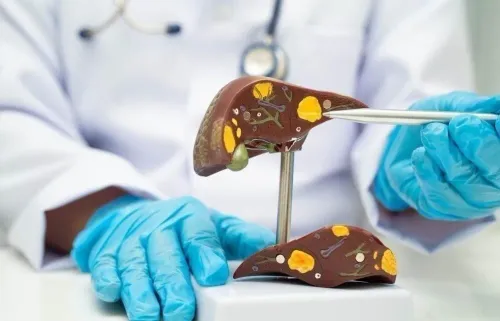
Many people first encounter the word "hepatologist" after an abnormal liver test, fatty liver report or diagnosis of hepatitis. A hepatologist focuses on diseases affecting the liver and associated systems.
While some minor liver test abnormalities can be temporary, persistent or significant changes may need specialised evaluation.
Fatty Liver With Metabolic Risk Factors
Fatty liver is common, particularly among people with diabetes, obesity, abnormal cholesterol or other metabolic risk factors.
The important clinical question is not simply whether fat is present. Doctors also assess whether there is inflammation or fibrosis.
People with repeatedly abnormal liver enzymes or increased fibrosis risk may benefit from a more detailed liver evaluation.
Hepatitis B and Hepatitis C
Chronic viral hepatitis can cause ongoing liver inflammation and may increase the risk of cirrhosis and liver cancer over time.
Management can involve determining viral activity, assessing the condition of the liver and deciding whether antiviral treatment is appropriate.
Follow-up remains important even when a patient feels well because liver disease can sometimes progress with few noticeable symptoms.
Cirrhosis Requires Structured Monitoring
Cirrhosis represents advanced scarring of the liver.
Management depends on whether the liver remains compensated or complications have developed.
Potential complications can include:
Ascites
Variceal bleeding
Hepatic encephalopathy
Jaundice
Portal hypertension
Increased liver cancer risk
Patients with cirrhosis generally need ongoing monitoring rather than treatment only when symptoms become severe.
What About Alcohol-Related Liver Disease?
Alcohol can cause a spectrum of liver injury ranging from fatty liver to inflammation and cirrhosis.
A hepatologist assesses the extent of liver damage and associated complications. Management may involve alcohol cessation, nutritional assessment, monitoring and treatment tailored to the stage of disease.
Self-prescribed "liver medicines" cannot substitute for determining how much liver injury has occurred.
When Jaundice Needs Evaluation
Jaundice means yellow discoloration of the skin or eyes caused by increased bilirubin.
It can occur for different reasons, including liver disease and obstruction of bile flow. Because the causes vary, treatment depends on identifying the underlying problem rather than treating jaundice as a disease by itself.
Hepatology Care in Borivali Mumbai
Dr Ravindra Surude practises in both gastroenterology and hepatology. His listed liver services include fatty liver disease, hepatitis B and C, cirrhosis, autoimmune and cholestatic liver diseases and assessment of liver-related complications.
The Borivali clinic also provides gastrointestinal and endoscopic services, which can be relevant when liver disease overlaps with bile duct or gastrointestinal problems.
For patients in Borivali West and nearby Mumbai areas, a hepatology consultation can be particularly useful when liver enzymes remain abnormal, imaging identifies fatty liver, viral hepatitis has been diagnosed or there is concern about chronic liver damage.
Bring previous liver tests, ultrasound or FibroScan reports, medication lists and relevant medical records to the appointment.
The purpose of specialist liver care is not simply to treat abnormal laboratory values. It is to establish the cause, determine the severity of liver injury, identify complications and create an appropriate monitoring or treatment plan.