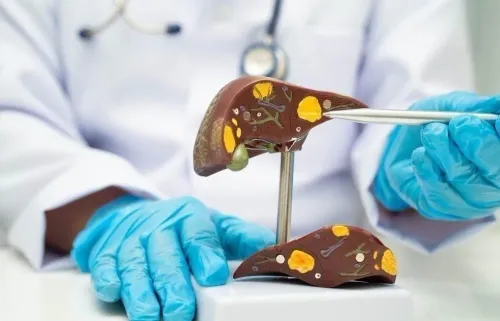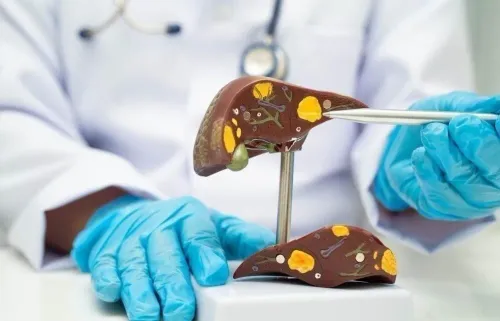
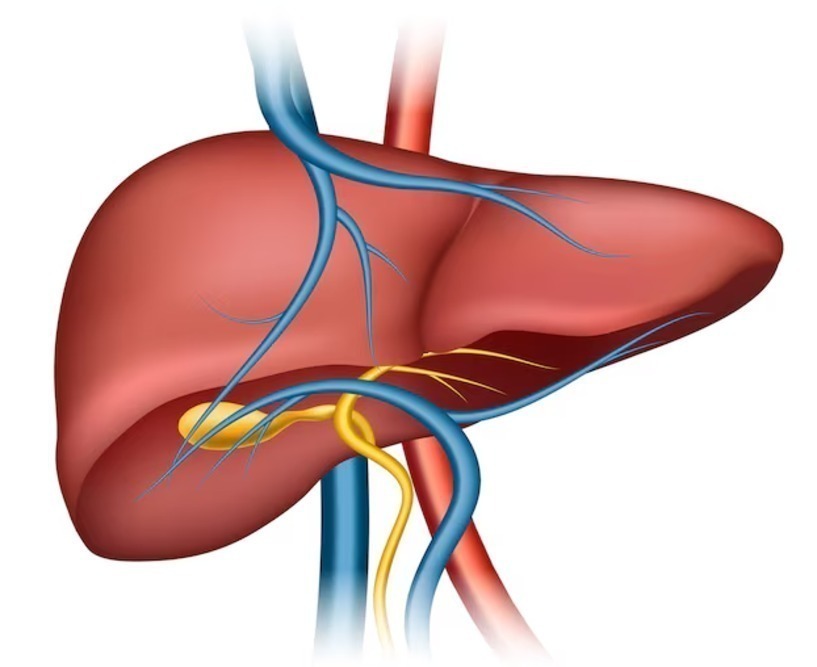
Fatty liver disease is frequently discovered during an ultrasound or routine health check, sometimes before a person notices any obvious symptoms. The term describes excessive fat accumulation in the liver, but an ultrasound finding alone does not explain the entire condition.
Effective fatty liver treatment begins by understanding metabolic health, alcohol exposure, medications, liver function and whether liver scarring may be developing.
Why Does Fat Accumulate in the Liver?
Fatty liver is often associated with metabolic factors such as excess body weight, diabetes, insulin resistance, abnormal cholesterol or triglyceride levels and reduced physical activity.
Alcohol can also cause fatty liver and more advanced liver injury.
Because different causes can produce similar findings on imaging, a liver specialist evaluates the broader clinical picture rather than treating an ultrasound report in isolation.
Does Fatty Liver Cause Symptoms?
Many people have no symptoms, particularly in the early stages.
Some may experience fatigue or vague discomfort in the upper right side of the abdomen, but these symptoms are not specific enough to diagnose the condition.
This is one reason fatty liver is often identified incidentally during investigations performed for another reason.
Why Is Liver Fibrosis Important?
The amount of fat in the liver is only one part of the assessment. Doctors are also concerned about inflammation and fibrosis, which means scarring of liver tissue.
Progressive fibrosis can eventually lead to cirrhosis in some patients.
Depending on individual risk factors, assessment may involve liver blood tests, ultrasound and non-invasive fibrosis evaluation. FibroScan is one tool used to assess liver stiffness and can contribute to evaluating fibrosis risk.
What Usually Forms Part of Fatty Liver Management?
Management is individualized, but common priorities include:
- Sustainable weight management when appropriate
- Regular physical activity
- Better control of diabetes
- Management of abnormal cholesterol and triglycerides
- Reviewing alcohol consumption
- Balanced nutrition
- Monitoring liver health when indicated
Extreme diets or unverified "liver detox" products are not substitutes for evaluating the cause of liver abnormalities.
Can Fatty Liver Improve?
In many patients, metabolic risk factors can be modified, particularly when the condition is addressed before advanced liver damage develops.
The appropriate goal is not simply to obtain a normal ultrasound report. Long-term management focuses on improving overall metabolic health and reducing the risk of progressive liver disease.
Liver Evaluation in Borivali Mumbai
Dr Ravindra Surude practises as a gastroenterologist and hepatologist in Borivali, Mumbai. His listed liver services include assessment and management of metabolic fatty liver disease, viral hepatitis, cirrhosis and other liver conditions, with fibrosis assessment among the available services.
People with fatty liver may benefit from specialist evaluation particularly when liver enzymes remain abnormal, metabolic risk factors are significant or there is concern about fibrosis.
Fatty liver should neither be ignored nor treated as a reason for panic. What matters is determining its cause and severity.
For people in Mumbai dealing with diabetes, obesity, cholesterol problems or previous abnormal liver tests, identifying fatty liver can provide an opportunity to address several interconnected health risks through a structured medical plan.