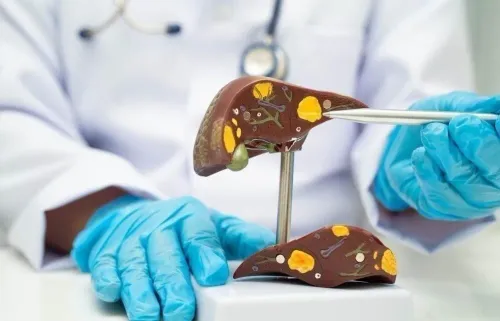
Routine upper GI endoscopy examines the oesophagus, stomach and duodenum, but some digestive problems involve deeper structures such as the pancreas and bile ducts. In these situations, specialised endoscopic procedures such as EUS and ERCP may be considered.
Although both involve endoscopy, their purposes are different.
What Is Endoscopic Ultrasound?
Endoscopic ultrasound, or EUS, combines endoscopy with ultrasound technology.
The ultrasound probe can obtain detailed images of structures close to the digestive tract, including the pancreas, bile ducts and surrounding tissues.
Depending on the clinical situation, EUS may be used to investigate:
Pancreatic abnormalities
Bile duct problems
Certain unexplained gastrointestinal findings
Lesions near the digestive tract
Conditions requiring tissue sampling
The key advantage is the ability to obtain detailed images from close proximity to the organ being examined.
What Is ERCP?
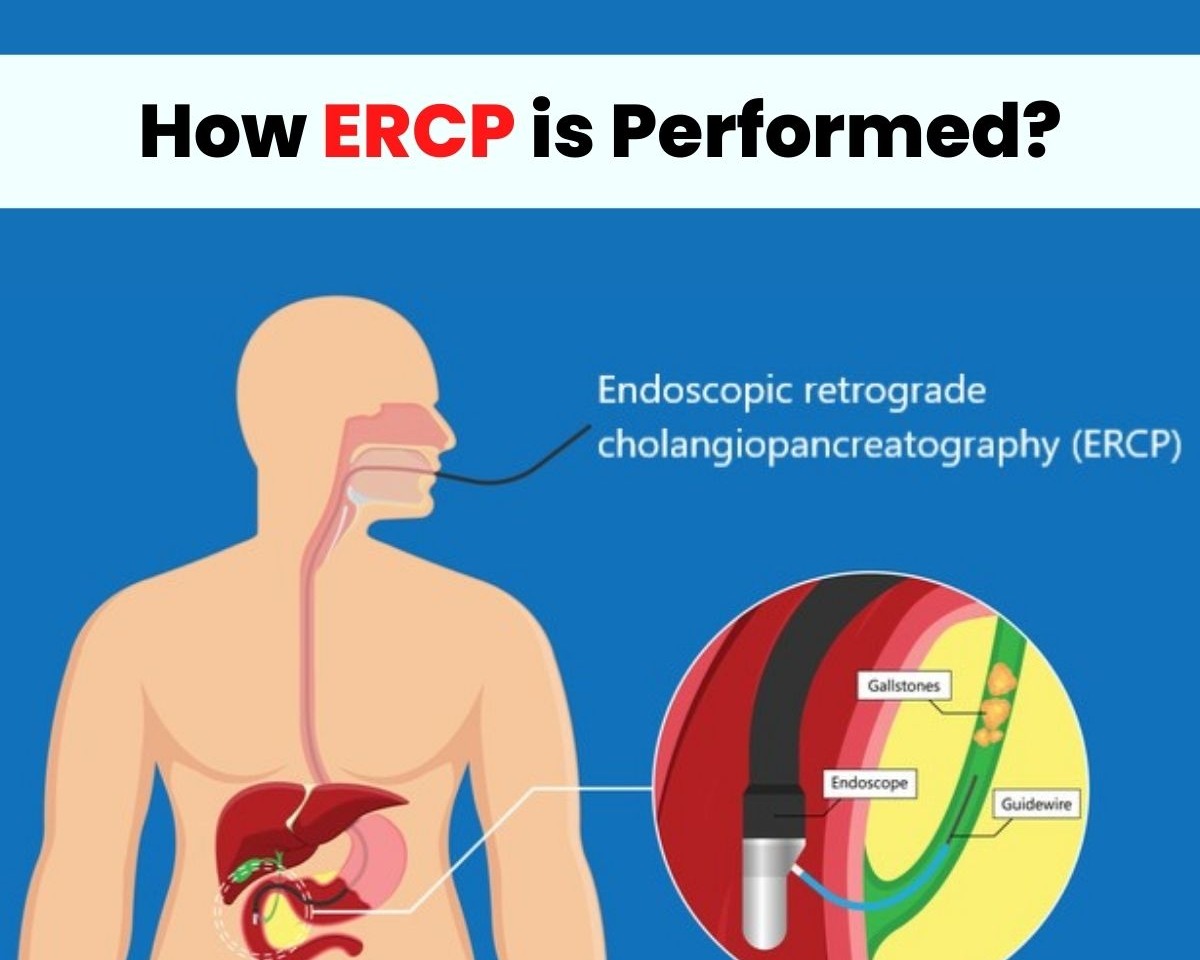
ERCP stands for endoscopic retrograde cholangiopancreatography.
It is a specialised procedure involving the bile and pancreatic ducts. Unlike a routine diagnostic upper endoscopy, ERCP is frequently performed with a therapeutic purpose.
For example, ERCP may be used in selected patients to remove stones from the common bile duct, relieve an obstruction or place a stent.
EUS and ERCP Are Not Interchangeable
Patients sometimes encounter both terms while researching gallstones, jaundice or pancreatic disease and assume they are alternative versions of the same test.
They are not.
EUS is often used to obtain detailed diagnostic information and can also support tissue acquisition in selected cases. ERCP is commonly used when an intervention within the bile or pancreatic duct is required.
The choice depends on the suspected condition and previous imaging.
When Might These Procedures Be Discussed?
A gastroenterologist may consider advanced endoscopic evaluation when a patient has findings such as bile duct stones, unexplained obstruction, selected pancreatic abnormalities or jaundice associated with a suspected biliary problem.
Ultrasound, CT or MRCP may sometimes be performed before an advanced endoscopic procedure.
The sequence varies according to the clinical situation.
Why Endoscopist Experience Matters
Advanced procedures require more than access to an endoscopy unit. The doctor must assess whether the procedure is indicated, understand alternative investigations and manage the patient before and after the intervention.
Patients should understand the reason for the procedure, expected benefit, preparation requirements, sedation or anaesthesia plan and potential risks.
Advanced Endoscopy in Borivali Mumbai
Dr Ravindra Surude's listed expertise includes ERCP and endoscopic ultrasound in addition to gastroscopy, colonoscopy and capsule endoscopy. His practice covers pancreatobiliary conditions involving the pancreas, gallbladder and bile ducts.
For patients in Borivali and Mumbai who have been advised to undergo EUS or ERCP, the next step should be understanding exactly what clinical problem the procedure is intended to address.
Advanced endoscopy is most valuable when it is matched to a clear medical indication. Asking why the procedure is recommended, what information or treatment it can provide and whether other investigations are needed first helps patients participate meaningfully in their care.