A burning sensation behind the chest after eating is often described as acidity or heartburn. When this happens repeatedly, particularly along with sour regurgitation or discomfort after meals, the underlying problem may be gastroesophageal reflux disease, commonly known as GERD.
An acid reflux specialist evaluates whether symptoms represent occasional reflux or a condition that requires more structured management.
What Happens During Acid Reflux?
The oesophagus carries food from the mouth to the stomach. A muscular valve at its lower end normally helps prevent stomach contents from moving backwards.
When acidic stomach contents repeatedly travel upward into the oesophagus, irritation can develop. Typical symptoms include:
Heartburn
Sour or bitter fluid reaching the mouth
Burning after meals
Symptoms when lying down
Frequent belching
Upper abdominal discomfort
Some people can also experience throat irritation, chronic cough or a sensation of something being stuck in the throat.
When Does Reflux Become GERD?
One isolated episode after an unusually heavy meal does not automatically indicate GERD. Doctors consider the frequency, persistence and impact of symptoms.
Repeated reflux that affects sleep, requires frequent medication or continues despite dietary changes deserves evaluation.
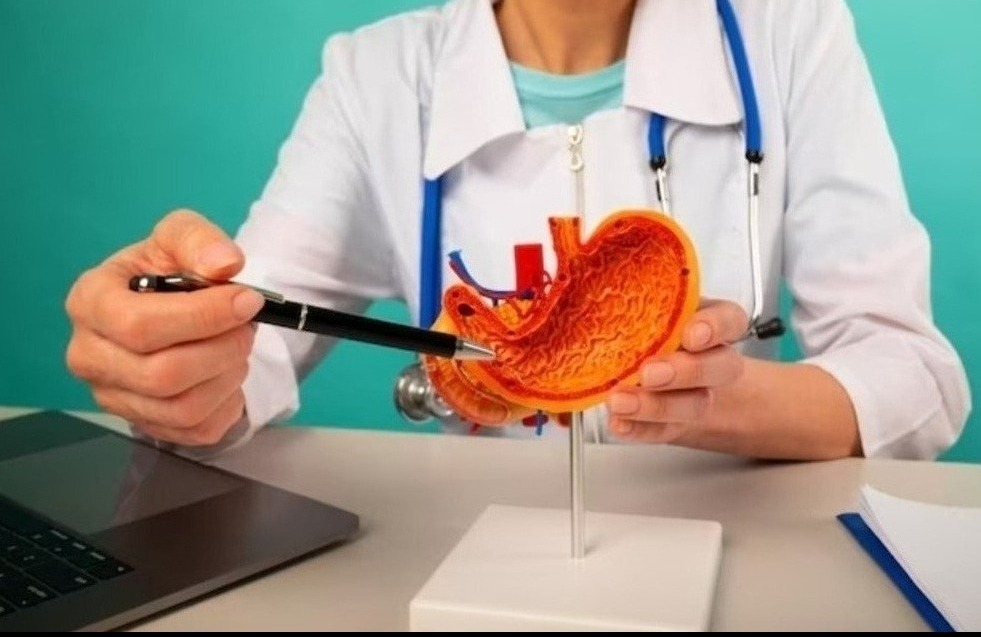
It is also important to determine whether another digestive condition could be producing similar symptoms. Gastritis, peptic ulcer disease and other upper gastrointestinal problems may sometimes produce overlapping complaints.
Everyday Habits That Can Influence Reflux
Meal patterns can make a noticeable difference for some patients. Large meals increase stomach distension, while lying down immediately after dinner can make reflux more likely.
Practical measures may include:
Eating moderate portions
Identifying personal food triggers
Avoiding lying down soon after eating
Maintaining a suitable body weight
Reducing late-night meals
Reviewing medicines that may worsen symptoms with a doctor
Limiting smoking and alcohol exposure
There is no universal "GERD diet" that works identically for everyone. Unnecessarily eliminating numerous foods can make a diet difficult to maintain without addressing the actual trigger.
When Is Upper GI Endoscopy Considered?
Not everyone with heartburn requires an endoscopy.
A gastroenterologist may consider upper GI endoscopy when symptoms are persistent, when treatment does not produce the expected improvement or when warning features are present.
An upper endoscopy allows direct examination of the oesophagus, stomach and beginning of the small intestine. It may also allow a biopsy when clinically indicated.
Symptoms That Need Greater Attention
Heartburn accompanied by difficulty swallowing, gastrointestinal bleeding, persistent vomiting, unexplained weight loss or significant anaemia should not simply be managed as routine acidity.
Chest discomfort can also have non-digestive causes. New, severe or concerning chest pain should not automatically be assumed to be reflux.
GERD Evaluation in Borivali Mumbai
Dr Ravindra Surude provides gastroenterology care in Borivali and has clinical expertise in gastrointestinal disorders and upper GI endoscopic evaluation. His listed practice areas include GERD, gastritis and gastrointestinal endoscopy.
For Mumbai patients experiencing repeated reflux, the aim of specialist assessment is to identify the likely cause, determine whether investigations are necessary and create an appropriate management plan.
Long-term control of GERD usually depends on more than repeatedly taking an antacid whenever symptoms appear. Understanding meal patterns, lifestyle factors, symptom frequency and the condition of the upper digestive tract can provide a more useful foundation for treatment.